


Titanium, Stainless Steel, or Ceramic – which watch is right for you?
Watches have long been more than just timepieces – they are an expression of personality, style, and aspiration. When looking for a new watch, the question quickly arises: Which material is right for me? The three most popular case materials in modern watchmaking are titanium, stainless steel, and ceramic. Each material has its own strengths – in terms of wearability, durability, and impact.
In this article, you will learn how the materials differ, what to look for, and which models from our range best demonstrate the advantages of these materials.
Certina Men's Watches


Stainless Steel – The Classic Among Watch Materials
Stainless steel has been the preferred material in watchmaking for decades. The 316L alloy ("surgical steel") offers ideal properties: it is hard, dimensionally stable, rust-proof, and skin-friendly. Stainless steel can be excellently polished or brushed, which opens up countless design options for designers.
Those who value classic shine, a good weight, and long-lasting quality will love stainless steel. It conveys substance and value – perfect for business outfits, everyday watches, or sports models. Another advantage: stainless steel is comparatively inexpensive and very easy to care for.
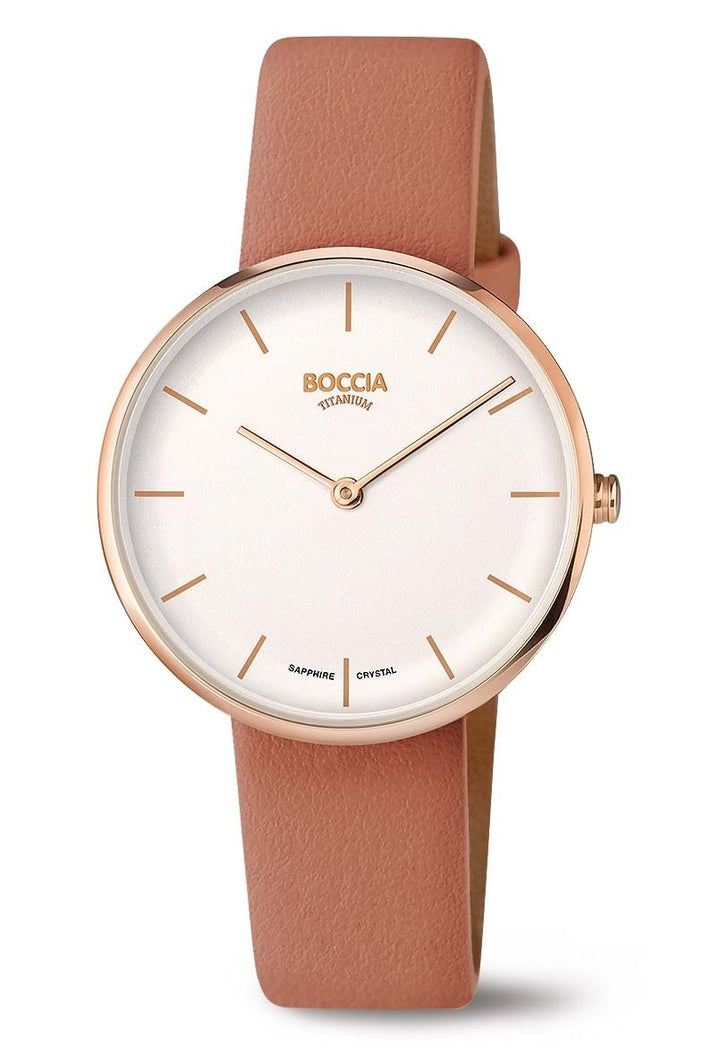
Boccia Titanium Watches


Titanium – Light, Strong, and Skin-Friendly
Titanium has established itself as a modern material in the premium segment. It is about 40% lighter than stainless steel, extremely durable, and completely nickel-free – ideal for people with sensitive skin. Titanium watches are comfortable to wear, even with larger cases, and retain their neutral, slightly grey color for many years.
Another advantage: titanium is a poor heat conductor. In winter, it stays pleasantly tempered; in summer, it hardly heats up – a comfort advantage that is immediately noticeable. Brands like Boccia Titanium or Certina DS Action Diver Titan impressively demonstrate how elegance, lightness, and robustness can be combined.
Ceramic – High-Tech with a Luxury Factor
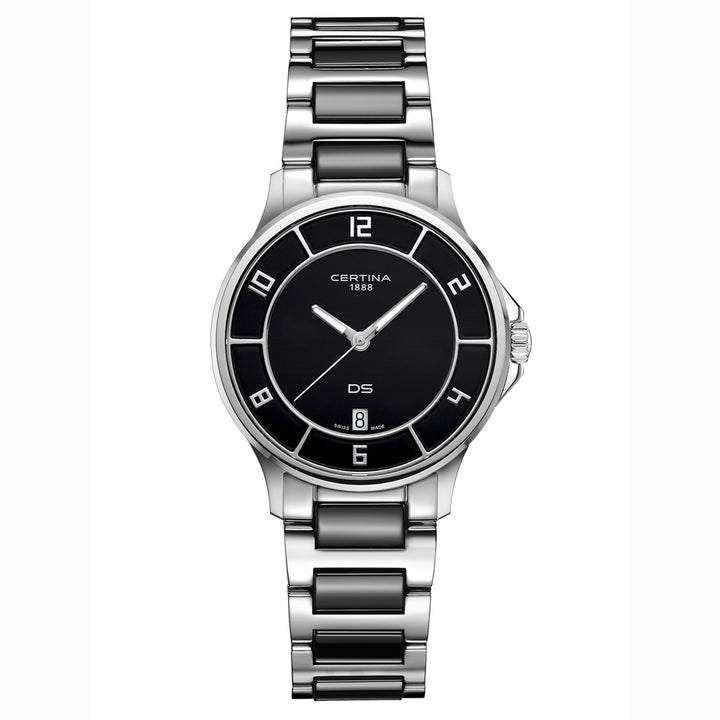
Ceramic is increasingly becoming the material of choice when it comes to scratch resistance and a high-end look. Technical ceramics consist of sintered zirconium oxide and are almost impervious to scratches and UV light. They retain their shine for many years and appear particularly elegant due to their deep, smooth shimmer.
The downside? Ceramic can break with very hard impacts – unlike titanium or stainless steel, which tend to deform. However, ceramic scores with its luxurious appearance and is often used in combination with stainless steel or PVD elements. Many modern women's and bicolor watches use this material combination to combine visual warmth and technical strength.
Ceramic Watches




Comparison at a Glance
| Property | Stainless Steel | Titanium | Ceramic |
|---|---|---|---|
| Weight | medium | very light | light to medium |
| Hardness / Scratch Resistance | good | good | very high |
| Allergy Friendliness | good (316L) | very good | very good |
| Thermal Conductivity | medium | low | low |
| Maintenance Effort | low | low | very low |
| Price Level | attractive | mid-range | high-end |
Conclusion – Which Material Suits Whom?
Those who value a classic look, robustness, and variety will find the perfect all-rounder in stainless steel. Titanium is the right choice for active people and anyone looking for a light, skin-friendly watch with a sporty character. Ceramic, on the other hand, stands for high-end design, scratch resistance, and elegant coolness.
In our range, you will find the right model for every style – whether sporty, elegant, or technical:
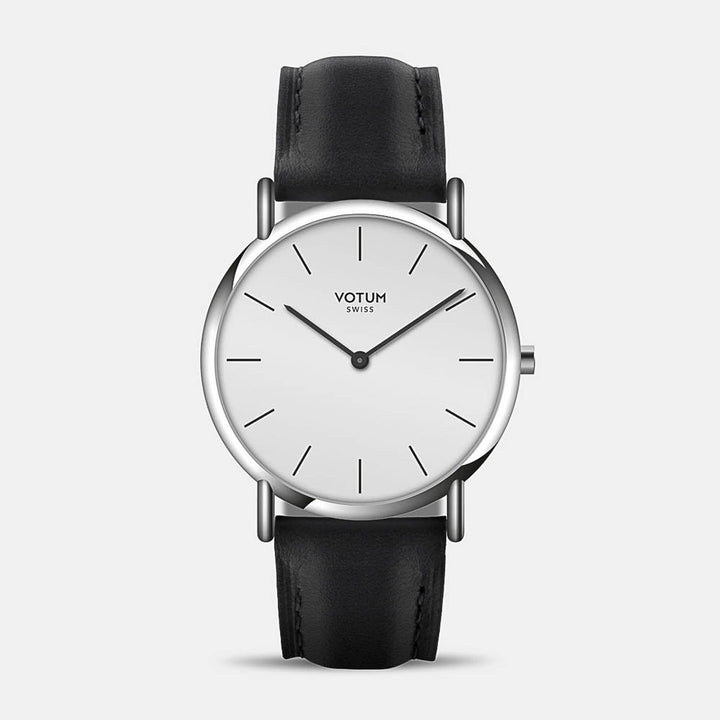
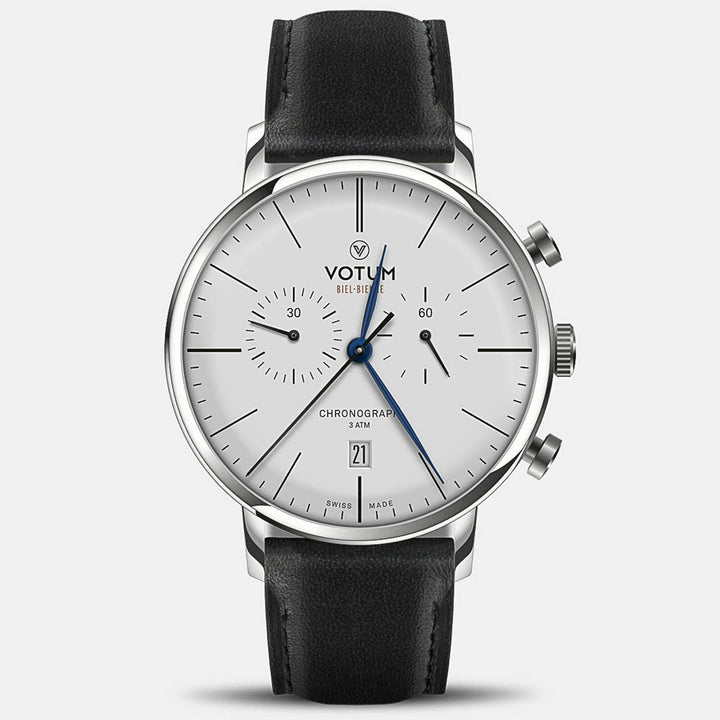
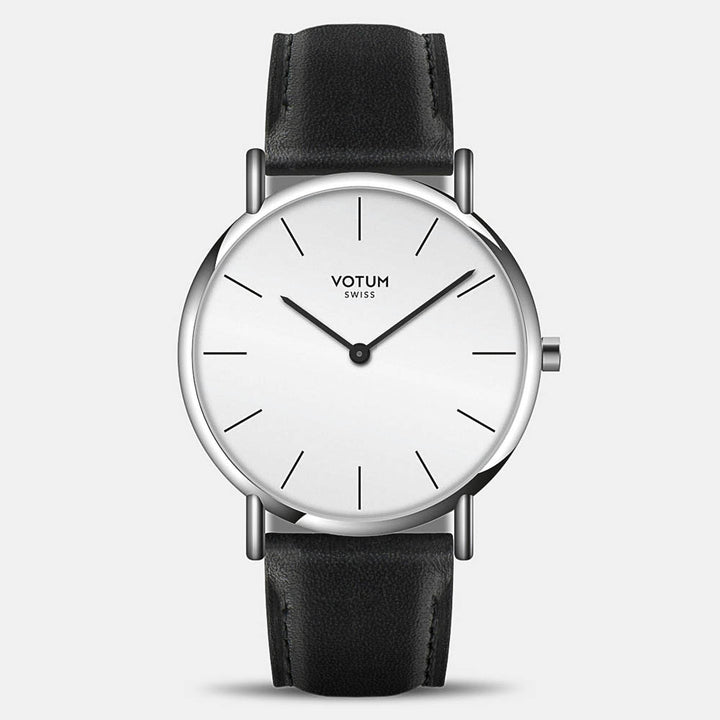
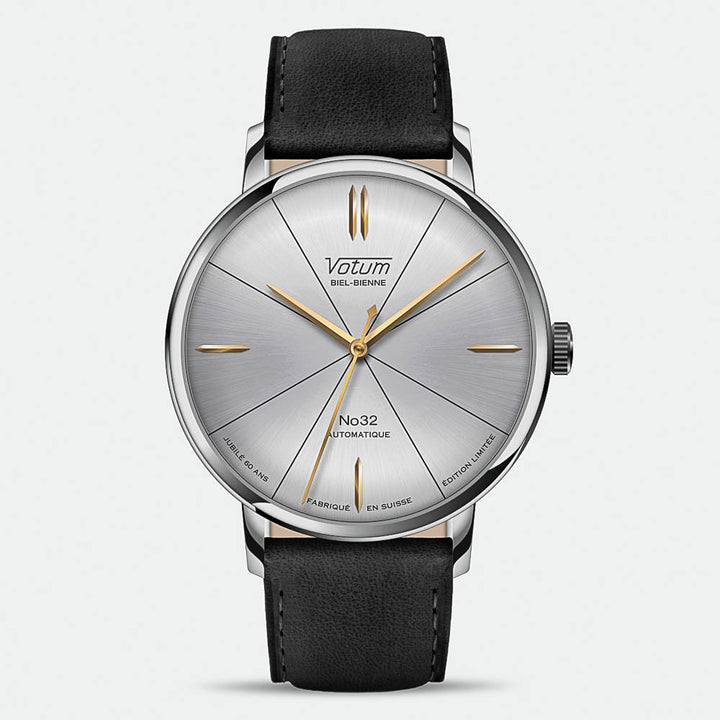
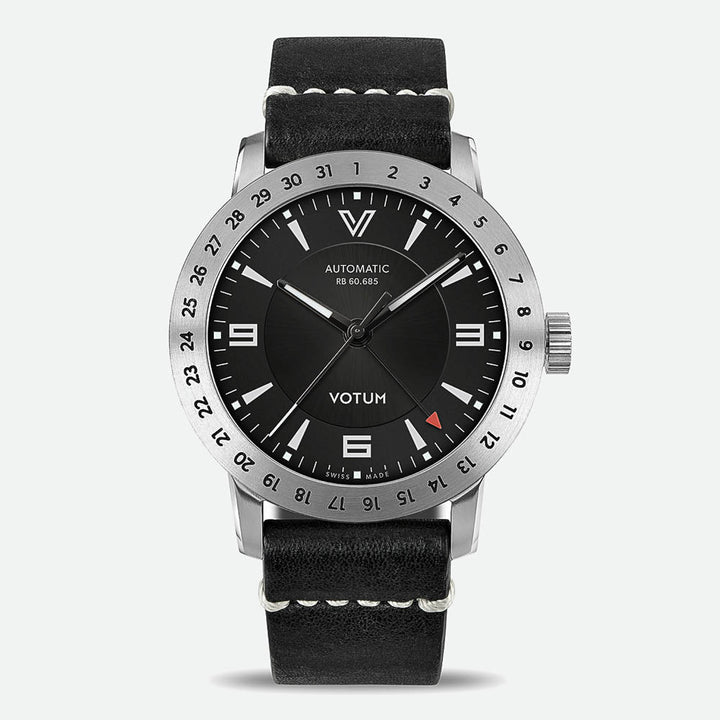
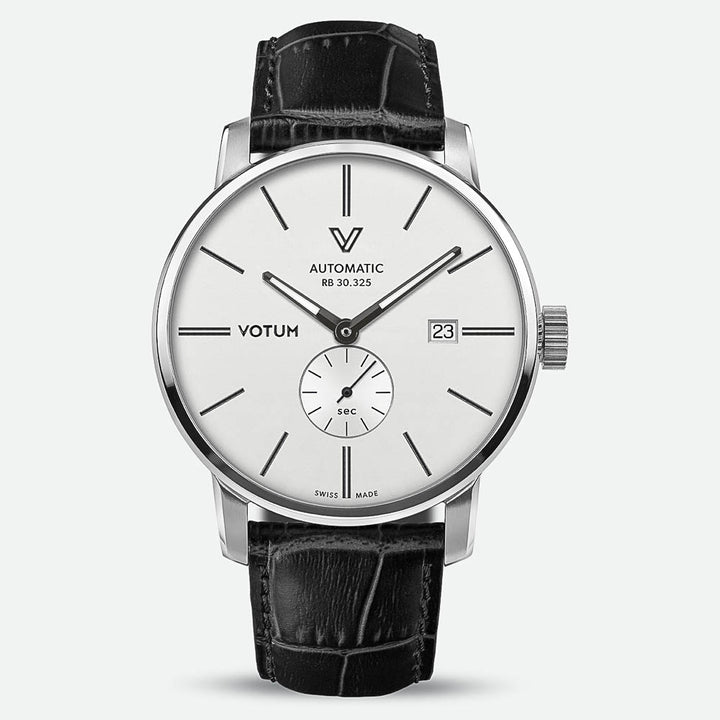
Votum Watches

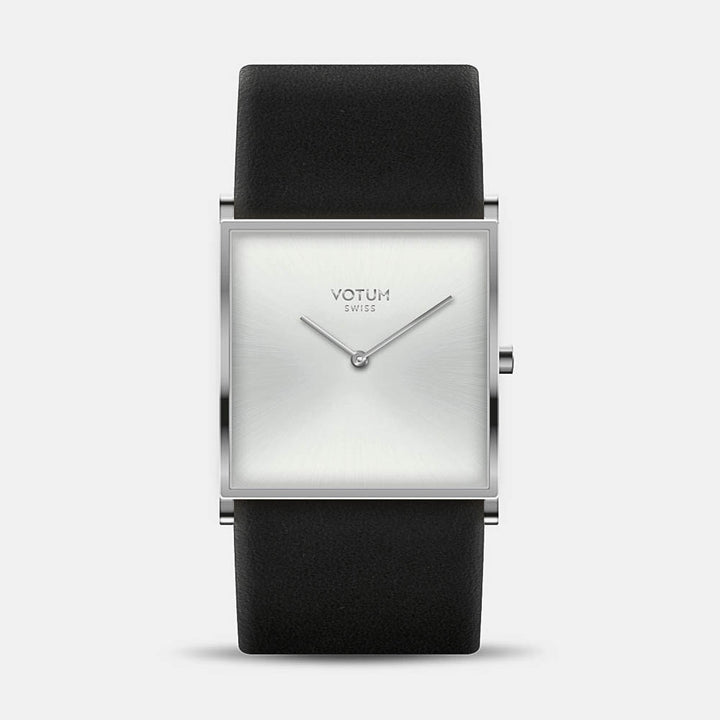

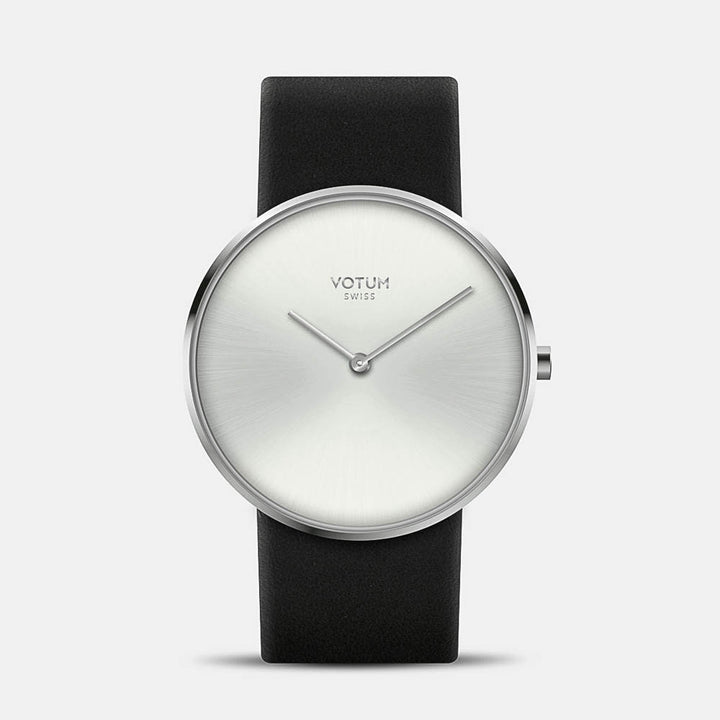







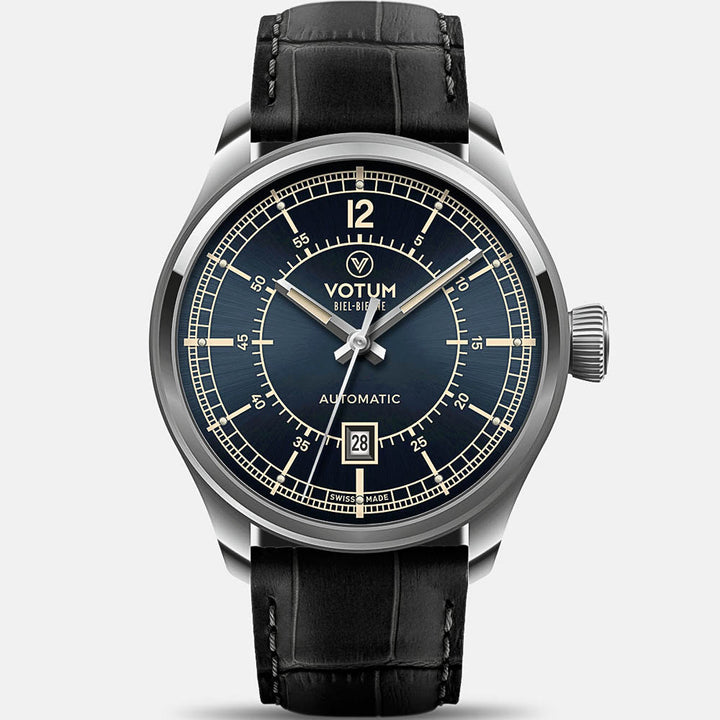
Colani's Masterpieces


FAQ – Watch Material Comparison
Which is more durable – titanium or stainless steel?
Both materials are extremely robust. Titanium is lighter and slightly more scratch-resistant, while stainless steel is easier to polish and refinish.
Is ceramic really unscratchable?
Ceramic is almost scratch-resistant, but it can break with hard impacts. Ideal for elegant everyday wear, less so for extreme use.
Which material is best suited for allergy sufferers?
Titanium and ceramic are completely nickel-free and therefore particularly skin-friendly. 316L stainless steel is also well tolerated.
How do I recognize high-quality craftsmanship?
Look for even edges, clean bevels, and precise surfaces. For titanium and ceramic, exact transitions between materials are a sign of quality.
How do I best care for my watch?
Clean with a soft microfiber cloth, occasionally rinse with lukewarm water. Do not use aggressive cleaning agents or abrasive sponges.